
When a machine breaks down on a job site, everything slows down. Crews are waiting, timelines are slipping, and costs are adding up quickly. In those moments, the priority isn’t just finding a replacement part; it’s finding one quickly, reliably, and without blowing your budget.
With over 65 years of experience and a massive inventory of graded used parts, LOMOCA helps you get the right component fast, without the dealer price tag or long wait times. Whether you’re dealing with a downed excavator or sourcing parts for an upcoming repair, their team is ready to help you find what you need.
Instead of waiting weeks, contact us today or submit a parts request to get matched with available inventory right away.
Access to Quality Parts Without Dealer Pricing
One of the biggest reasons to use construction equipment salvage yards is cost savings, but it’s not just about finding something cheaper. It’s about finding value.
Used parts sourced from salvage yards are often significantly more affordable than buying new from a dealer. Depending on the component, buyers can expect to pay anywhere from 40% to 70% less than OEM pricing. For businesses managing multiple machines or tight project margins, those savings add up quickly.
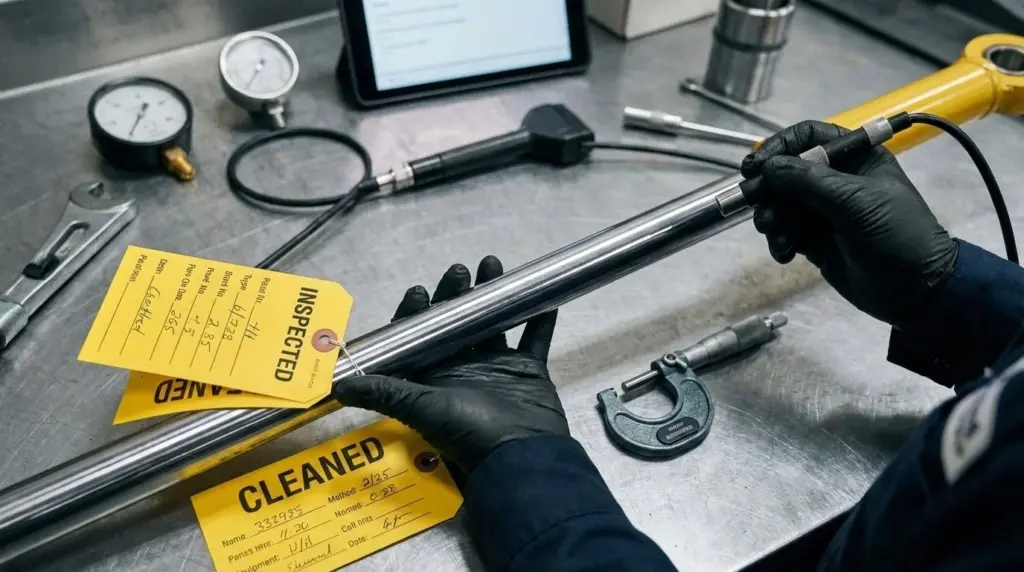
But lower cost doesn’t mean lower quality. Reputable salvage yards inspect, test, and grade parts before they’re sold. That means you’re not just buying “used” , you’re buying a component that’s been evaluated for performance and usability.
For many buyers, the decision becomes obvious: if the part works, fits correctly, and gets the machine back up and running, why pay more than you need to?
Faster Turnaround When Time Matters Most
Delays are one of the biggest challenges in construction and heavy equipment operations. Waiting on back-ordered parts can stall an entire project.
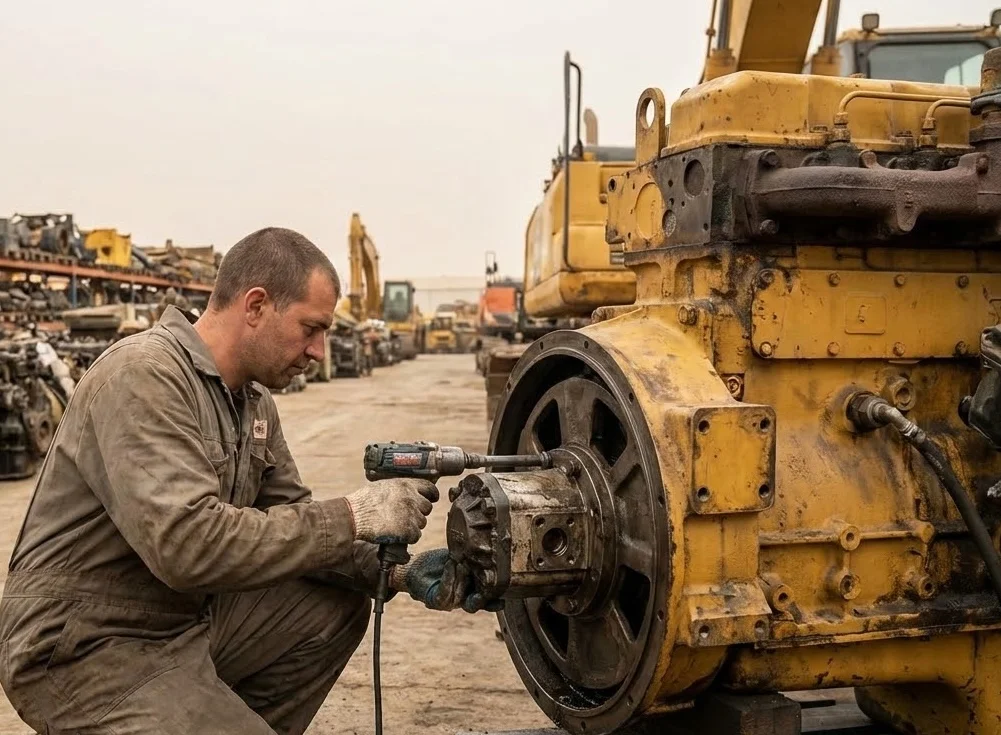
Construction equipment salvage yards help solve that problem by offering immediate availability. Instead of waiting weeks for a manufacturer to ship a new part, you can often source what you need the same week, sometimes even the same day.
Inventory at salvage yards is constantly rotating as new machines come in for dismantling. That means there’s always a steady supply of parts becoming available, including hard-to-find components that may no longer be produced.
If your machine is down mid-project, speed matters. Salvage yards give you a way to get back to work without unnecessary delays.
Wide Range of Equipment and Components
A well-run construction equipment salvage yard is far from a random pile of scrap. These operations are highly organised, with systematically dismantled machines and carefully catalogued inventory.
Buyers can typically find parts from a wide range of equipment, including excavators, loaders, bulldozers, skid steers, graders, and compactors. From each machine, dozens of usable components are recovered.
Commonly available parts include engines, hydraulic systems, cylinders, pumps, transmissions, axles, cabs, electrical components, and attachments like buckets and couplers. Structural components and undercarriage parts are also frequently stocked.
Because each dismantled machine yields multiple usable parts, salvage yards can maintain deep, diverse inventories, making them a practical source for both common and hard-to-source components.
Reliable Parts That Still Have Service Life Left
A common misconception is that salvage parts are worn out or unreliable. In reality, many components removed from retired equipment still have a significant portion of their service life remaining.
Structural parts, hydraulic components, and even powertrain assemblies can often retain 70% to 90% of their usable lifespan, depending on wear and maintenance history. These are not random parts pulled from scrap; they are selected, inspected, and graded before being made available for sale.
This is why experienced buyers often check salvage yards first. They know that a properly evaluated used part can perform just as reliably as a new one, especially for non-wear components.
When sourced from a reputable yard, these parts are not a gamble. They’re a practical, proven solution.
Support for Both Construction and Agricultural Equipment
Another advantage of using construction equipment salvage yards is the overlap between industries. Many yards also carry agricultural and industrial equipment, which expands the range of available parts.
Farm operators can often source tractor components, combine parts, and implement hardware alongside construction inventory. This is especially useful during peak seasons, when equipment must remain operational.
Agricultural machinery, like construction equipment, is expensive to repair and maintain. Salvage parts provide a cost-effective way to extend the life of that equipment without compromising performance.
A Smarter, More Sustainable Choice
Using salvage parts isn’t just a financial decision; it’s also an environmentally responsible one.
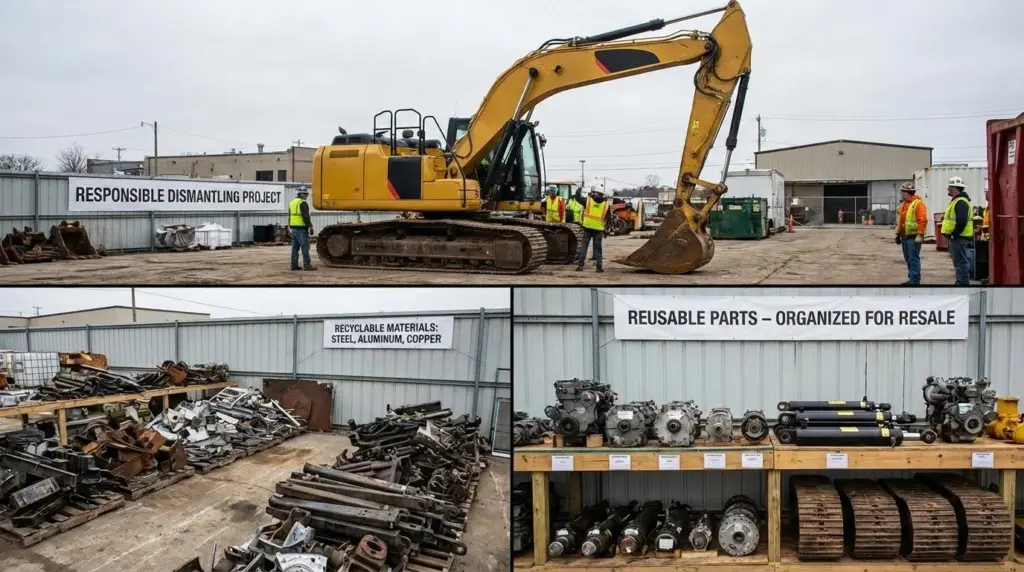
Every part reused is one fewer component to manufacture from raw materials. It also keeps usable equipment out of landfills and reduces overall waste in the industry.
Salvage yards play a key role in the lifecycle of heavy equipment. They ensure that machines are dismantled responsibly, with usable components recovered and non-recyclable materials processed appropriately.
For businesses looking to operate more sustainably, sourcing used parts is a simple and effective step.
Easier Access to Hard-to-Find Parts
One of the most overlooked benefits of construction equipment salvage yards is their ability to source parts that are no longer readily available.
Older machines, discontinued models, and niche equipment can be difficult, or even impossible, to support through traditional dealer networks. Salvage yards often become the only reliable source for these components.
Even if a part isn’t listed online, it doesn’t mean it’s unavailable. Inventory changes constantly, and many yards have units in the dismantling queue that haven’t been fully catalogued yet.
By contacting the yard directly with your equipment details, including make, model, year, and part number, you can often locate parts that aren’t publicly listed.
What to Look for in a Quality Salvage Yard
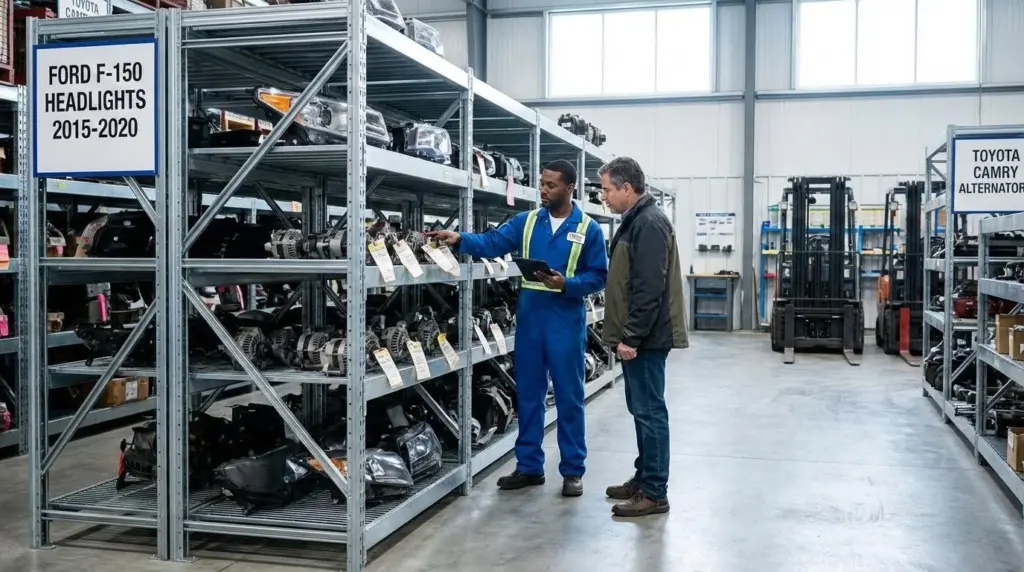
Not all salvage yards operate the same way, so choosing the right one matters.
Experience is one of the biggest indicators of reliability. Yards that have been in business for decades have refined their processes and built strong reputations. They understand how to dismantle equipment, evaluate parts, and support customers properly.
Look for yards that inspect and grade their inventory before selling. This ensures you know exactly what you’re getting. Warranty policies are another key factor; a reputable supplier will stand behind their parts.
Inventory depth also matters. Larger yards with a wide selection increase your chances of finding the right component quickly, and often offer multiple options in different condition grades.
Finally, consider logistics. A salvage yard with shipping capabilities across Canada can serve you wherever you are, without limiting you to local inventory.
Why Buyers Continue to Choose Salvage
Ultimately, people use construction equipment salvage yards for practical reasons.
They offer a combination of cost savings, availability, reliability, and flexibility that’s hard to match through traditional channels. Whether you’re managing a fleet, running a job site, or repairing equipment for a customer, salvage yards provide a solution that keeps operations moving.
Instead of waiting, overpaying, or settling for delays, you get access to parts that work when you need them.
Get the Parts You Need, Without the Wait
If your equipment is down or you’re planning for repairs, don’t waste time chasing back-ordered parts or overpaying at the dealer.
Reach out to our team today to find truck parts in York. Provide your equipment details, make, model, year, or part number, and their team will quickly match you with available inventory or upcoming dismantled units. With nationwide shipping, tested parts, and a warranty you can rely on, you’re not guessing, you’re getting a solution that works.
Submit a parts request now or speak directly with the LOMOCA team to get your equipment back up and running, fast.